
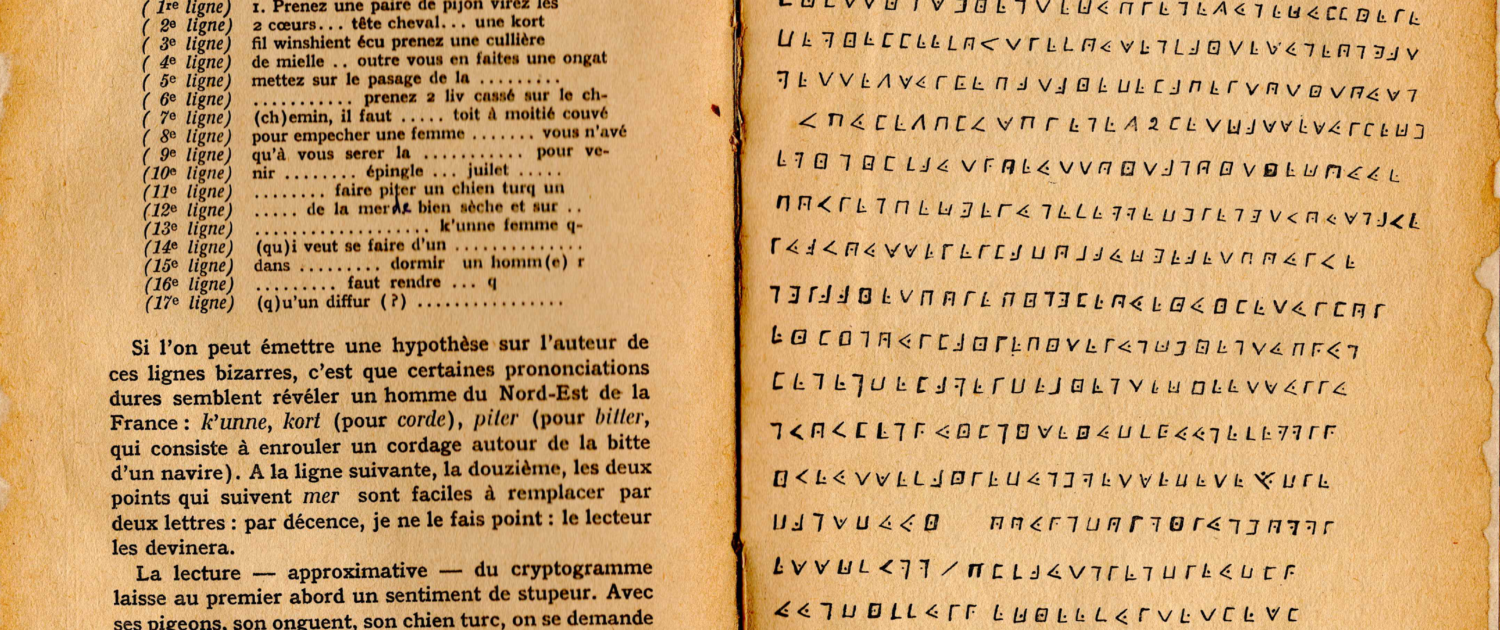


Cryptogram
The cryptogram of La Buse – A riddle behind the riddle
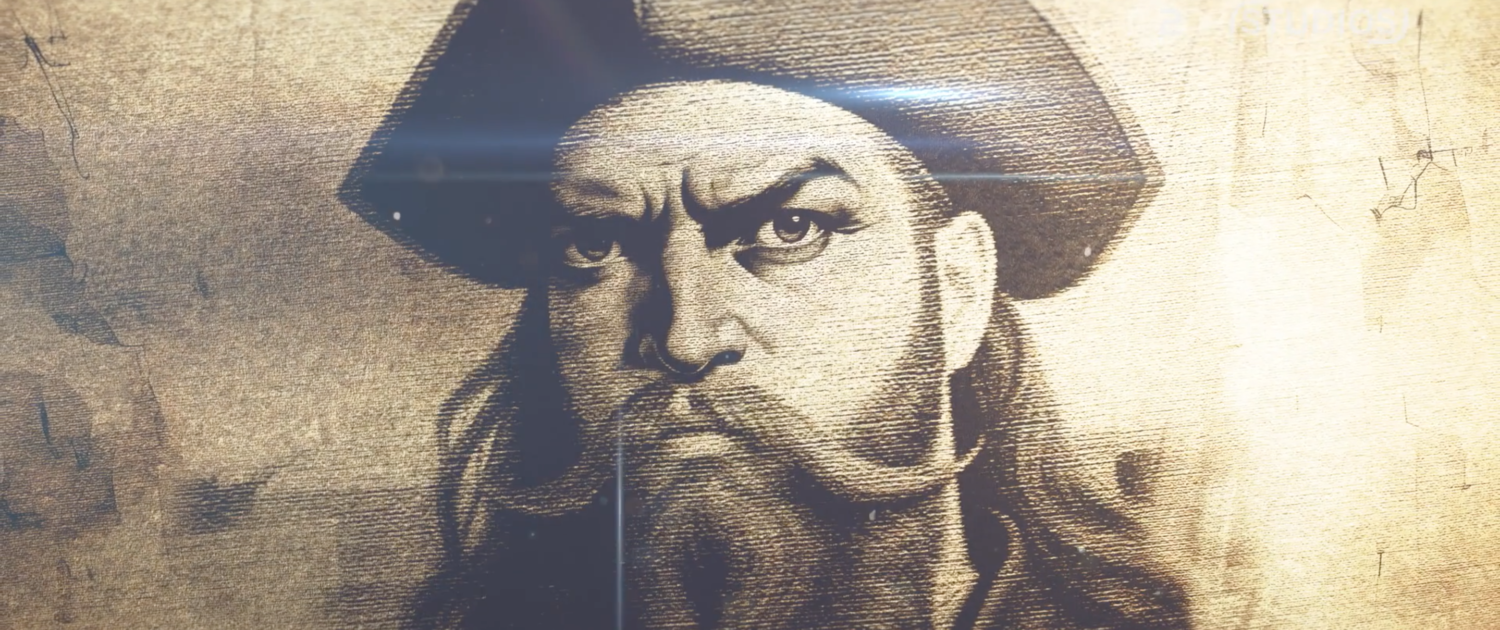
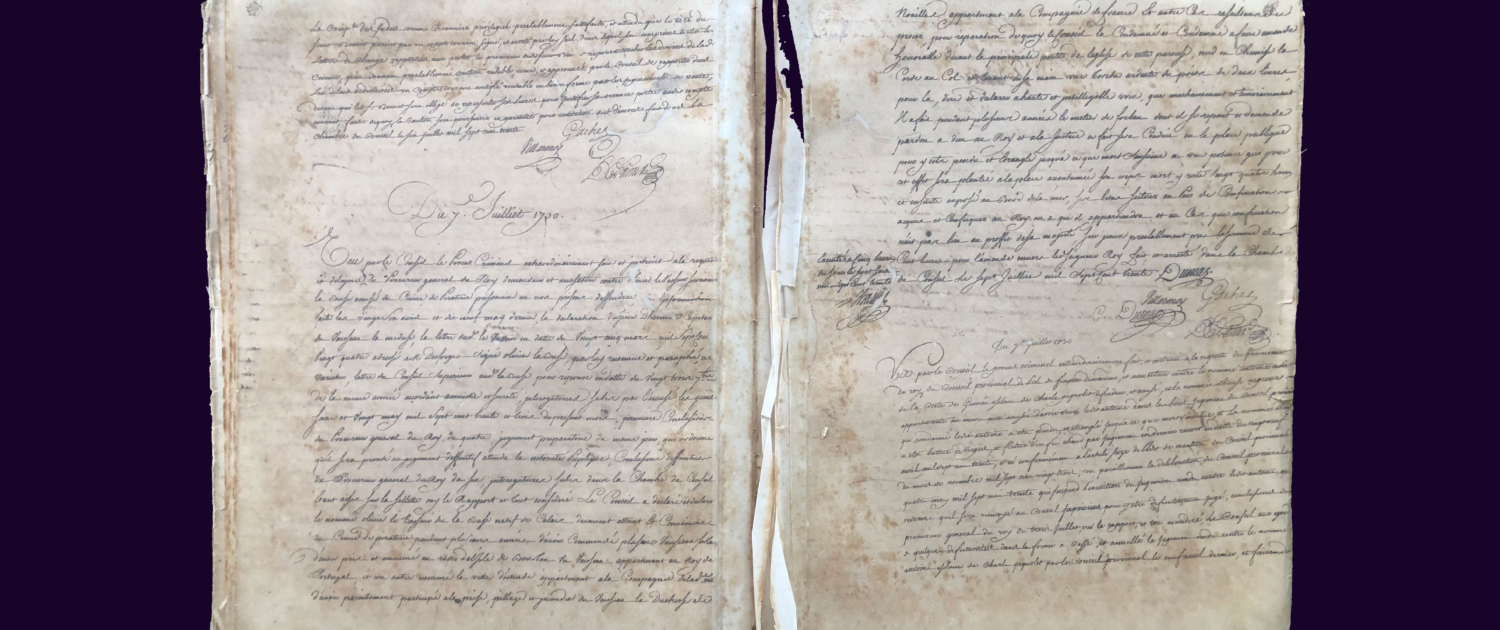
It has fascinated treasure hunters, historians and adventurers for almost 90 years: the mysterious cryptogram of the French pirate Olivier Levasseur, known as La Buse. According to tradition, he threw this parchment into the public shortly before his execution on the island of Réunion in 1730 – accompanied by the words: “Pour celui qui le découvrira” – “For the one who discovers it.”
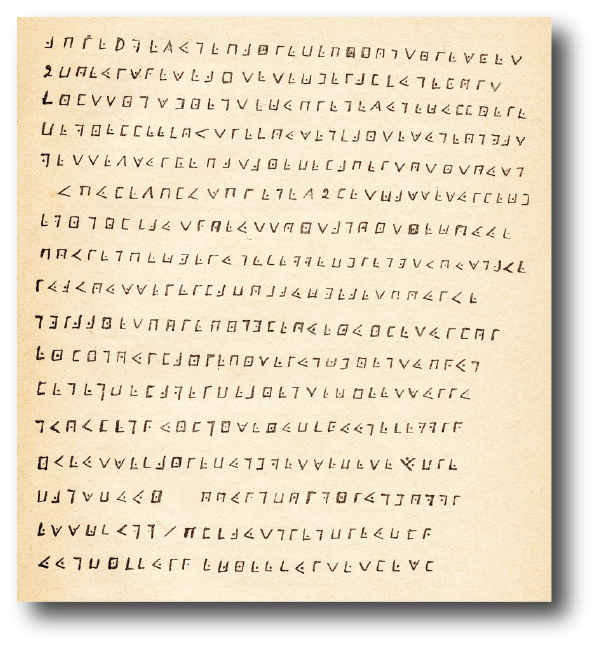
The cryptogram with Charles de la Roncière
The document contains a largely incomprehensible text, riddled with strange recipes and allusions and seemingly incoherent passages. Many have tried to decipher its contents – with speculations, adventurous interpretations and sometimes fantastic theories. But so far the mystery has remained unsolved.
This website presents a new, complete transcription of the cryptogram for the first time – based on historical sources, linguistic analyses and historical background knowledge. This reveals that the text was deliberately obscured with the aim of distracting from the actual solution. Clues to an underlying system and hidden signs reveal that it is a riddle within a riddle.
This deeper level leads surprisingly clearly to a place in the Indian Ocean – an island that was always suspected of having served as a treasure hideout for the pirate. However, can the legend stand up to historical scrutiny? Was La Buse really the author?
The findings presented here put an end to the myth – and bring the cryptogram into the clear focus of historical truth for the first time.
All articles Cryptogram:
(Click on the image or title to display the article.)
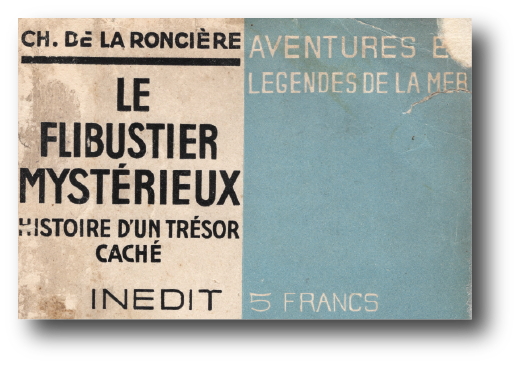
1 LE FLIBUSTIER MYSTERIEUX by Daniel Krieg
In 1934, Charles de La Roncière published a mysterious cryptogram. It is said to have been thrown into the audience by the pirate “La Buse” in 1730 shortly before his execution. The birth of a legend. –
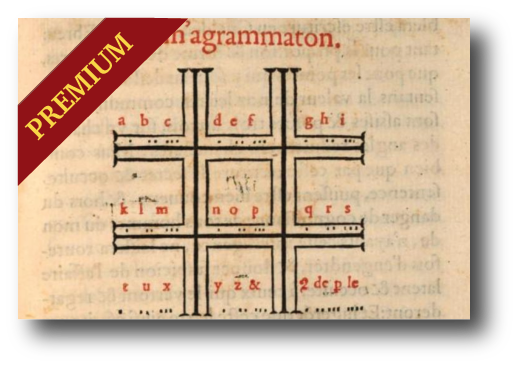
2 THE PIGPEN CIPHER by Daniel Krieg
The Masonic script was used in the 18th century by members of Masonic lodges for personal communication. What are the roots of this secret code and how does it work?
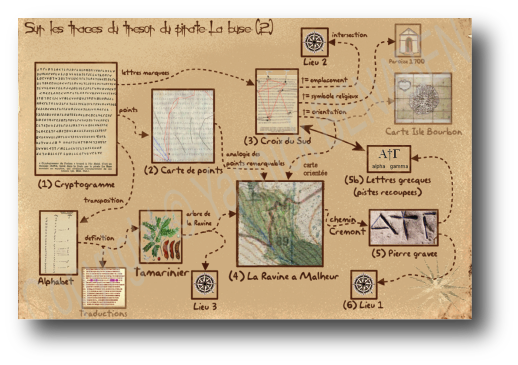
3 TRANSLATION Attempts by Daniel Krieg
Since the publication of the cryptogram in 1934, adventurers and researchers have tried to make sense of it. A new approach sheds light on the mystery.
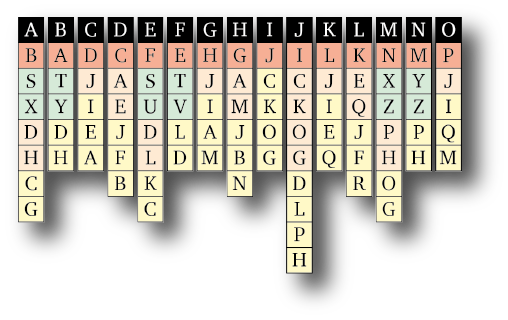
4 THE ERROR LOGIC by Daniel Krieg
From a cryptological point of view, the Freemason script is a simple system. Expected errors occur when using it. By analyzing it carefully, the gibberish suddenly becomes legible.
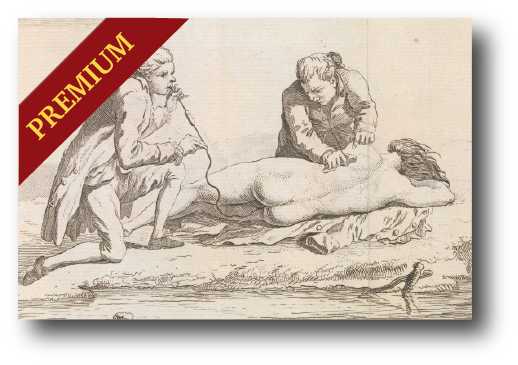
5 THE NEW TRANSCRIPTION by Daniel Krieg
Sources from the 16th-18th centuries substantiate the content of the new transcription. The historical and geographical contexts allow for exciting interpretations.
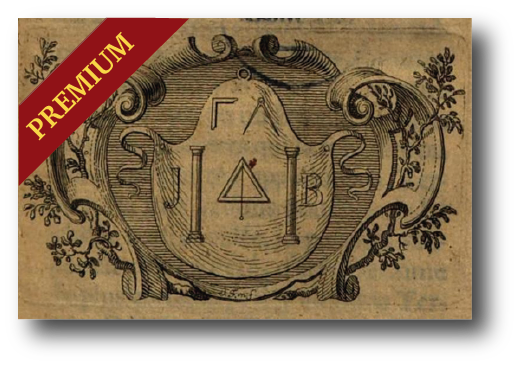
6 L’ORDRE DES FRANCS-MAÇONS by Daniel Krieg
A book that reveals the secrets of the Freemasons sheds new light on the story of La Buse’s cryptogram. What do the letters of the alphabet have to do with the pirate?
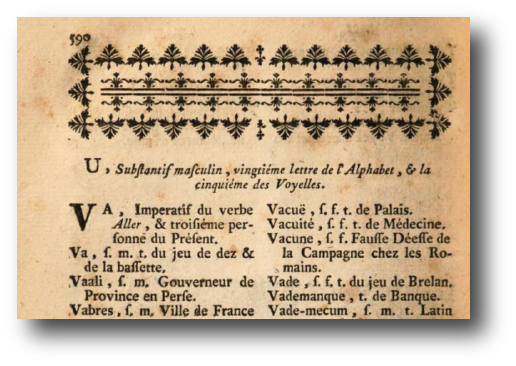
7 THE FRENCH ALPHABET by Daniel Krieg
The cryptogram contains the letters V and J. However, these were only integrated into the French alphabet decades after La Buse’s death. Why were they still in the cryptogram code?
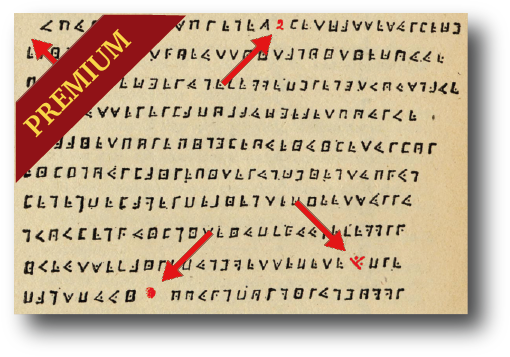
8 SPECIAL SIGNS by Daniel Krieg
Many have ignored it, some have speculated wildly about it: About a handful of special characters in the cryptogram that clearly do not belong to the code. They are the key to the steganogram, a riddle within a riddle.

9 DIE KARTE by Daniel Krieg —> In planning
The overlap between the cryptogram and Lacaille’s map is just the first step. In the end, the construct turns out to be a true geometric masterpiece!

10 THE END OF A LEGEND by Daniel Krieg
For 90 years, the cryptogram has fired the imagination of people who believed in the legend. Facts show: La Buse could not have been its author. The legend is dead.
All articles La Buse

The life and work of the most famous French pirate of the 18th century.
All articles Backgrounds
Stories and history about the “Golden Era of Piracy”, La Buse and the cryptogram.